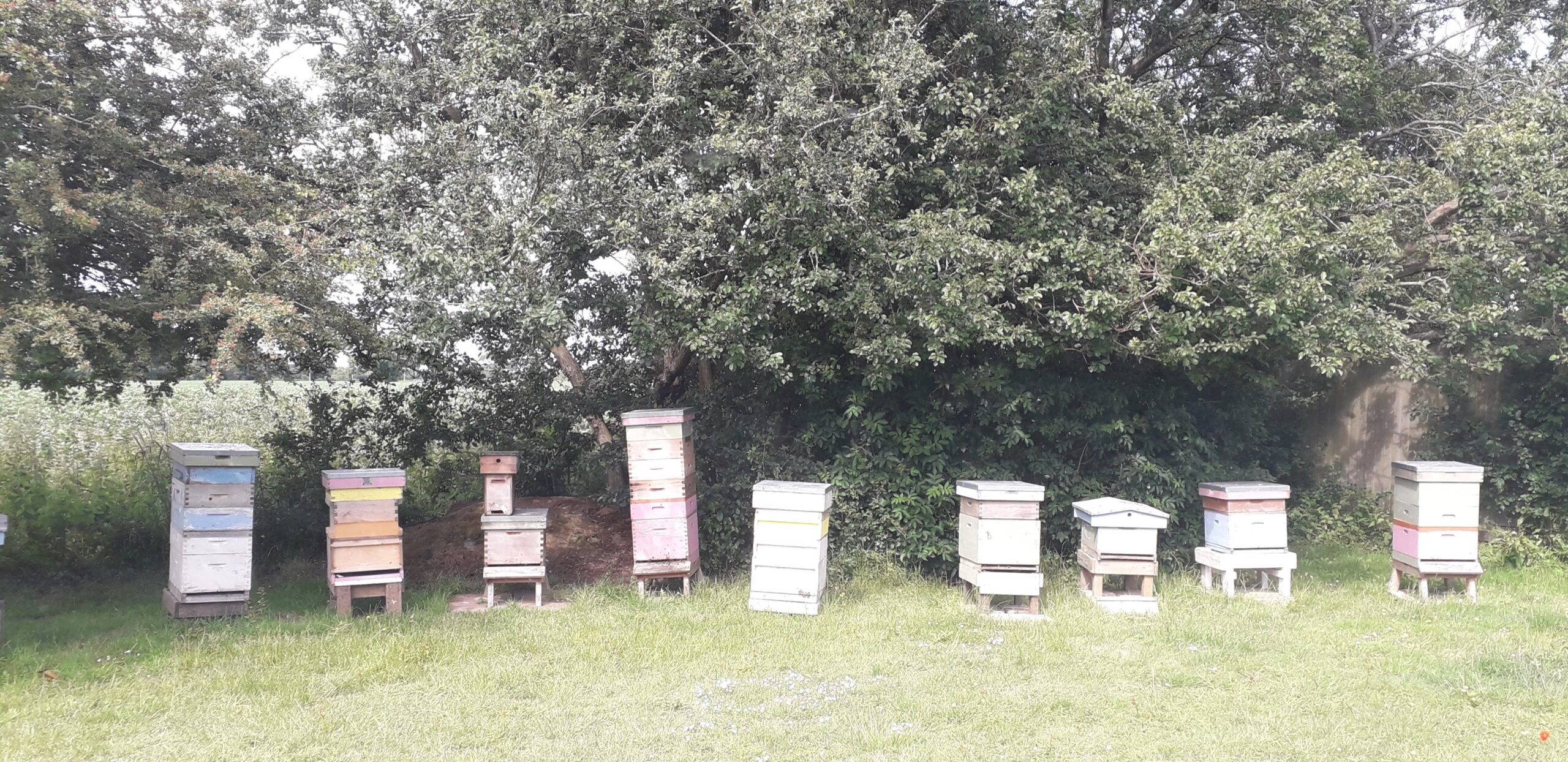

JANUARY
Check hive entrances clear/predator damage
Oxalic/lactic acid treatment for Varroa
Heft to check stores
FEBRUARY
Check stores/emergency feeding
Oxalic/lactic acid treatment for Varroa
Prepare new frames of foundation
Check hive entrances clear/predator damage
MARCH
Check stores/emergency feeding
Hive Records -Get the new sheets/book all ready
Replacing brood boxes/floors/queen excluders – and general cleaning up.
Varroa monitoring – and treatment with apiguard or similar
First inspection? Only if it’s warm and not too windy (+/- 13C)
Queen clipping and marking – only if warm enough
APRIL
Regular hive inspections – check for queen; space; stores; swarming; disease
Easing old frames to edges for replacement
Varroa monitoring – and treatment before first supers in place
Super in plenty of time early in the season
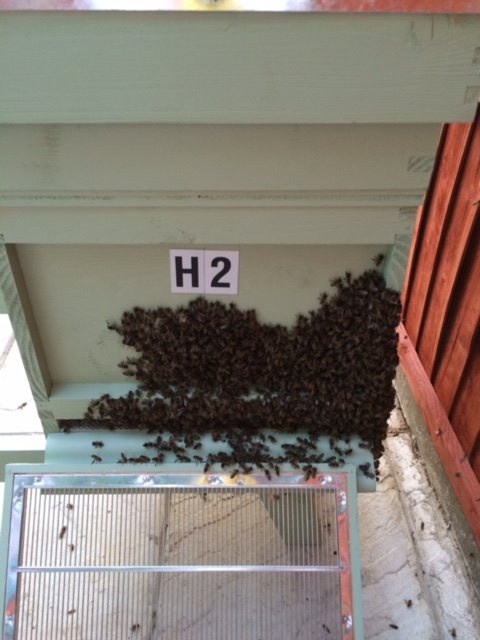
MAY
Supering – add another when bees are on 75% of frames
Remove and extract rape honey as soon as ripe
Weekly inspections – Look closely for queen cells
Have equipment for artificial swarming ready
Monitoring Varroa
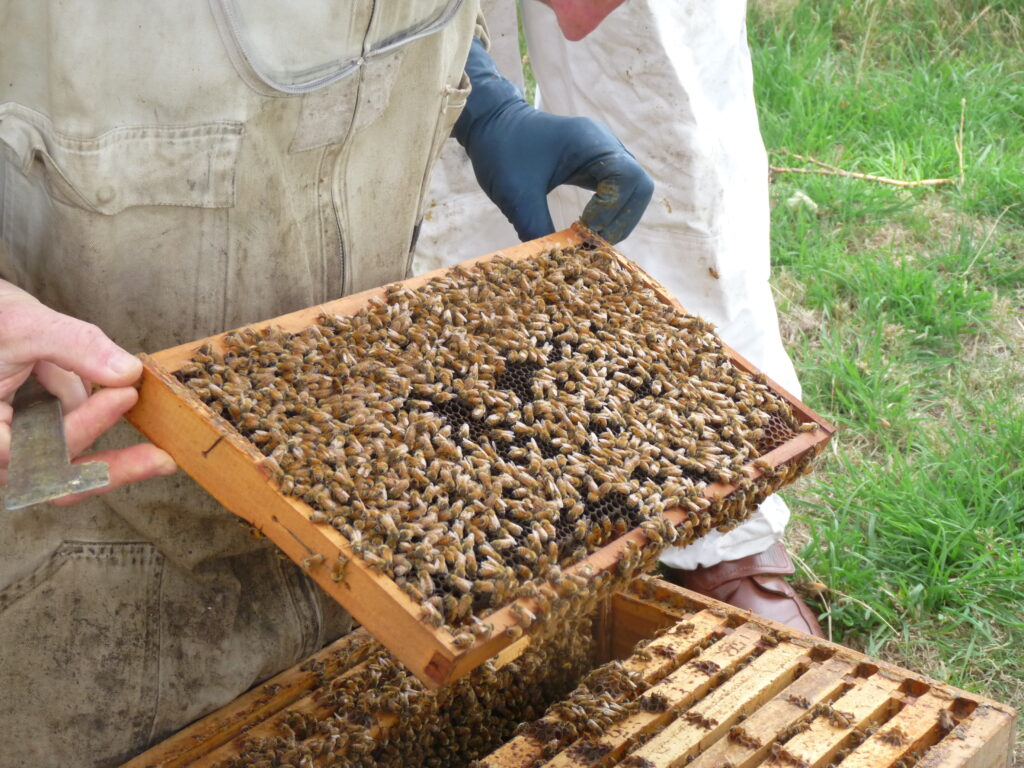
JUNE
Beware of food shortage after taking honey
Monitor and treat for Varroa (non-chemical with supers on)
Full disease inspection
Weekly inspections – Look closely for queen cells
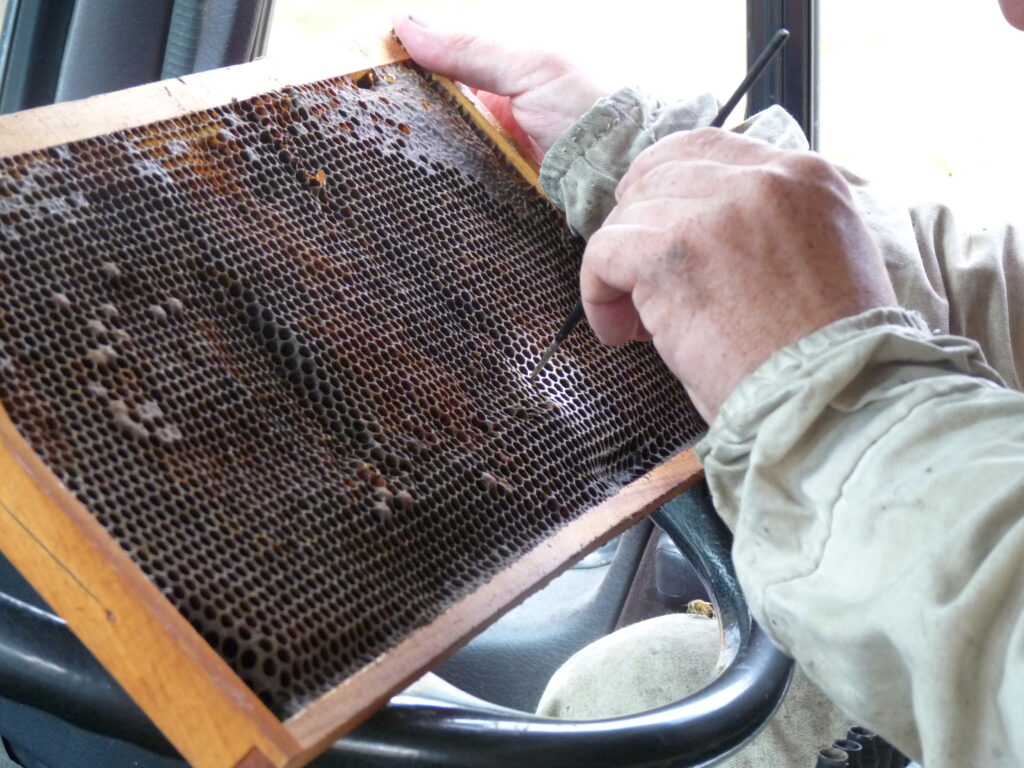
JULY
Still supering and extracting
Reduce entrances vs wasps and robbers
AUGUST
Finish honey removal
Full disease inspection
Varroa treatment – apiguard or similar
Clean supers for storage
Unite small colonies
SEPTEMBER
Estimate stores and feed syrup for winter
Remove varroa treatments
OCTOBER
Ensure ventilation
Check enough feed
Fit mouse guards and woodpecker nets
Sort and clean spare equipment for storage
Monitor varroa drop
NOVEMBER
Check entrances are clear
Sterilise and mend stored equipment
DECEMBER
Check hive entrances clear/predator damage
Oxalic/lactic acid treatment for Varroa
