One Of The Most Frequent Questions Beekeepers Are Asked: What to Do About Bumblebee Nests? 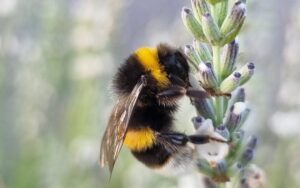
As beekeepers, the most frequent question we are asked is: “We have bumblebees nesting in the bird box, compost bin, shed, roof, wall—what should we do?” Whether the nest is in a bird box, compost bin, or simply a pile of grass cuttings, we give the same answer: if you can, do nothing.
Bumblebees: Gentle Pollinators in Need of Protection
Bumblebees are not aggressive. They do not swarm and rarely sting. Unfortunately, changes in climate, agricultural practices, pesticides, and urban expansion have not been kind to our bees, and many species are now very vulnerable. It is therefore very important for people to do their small part to help bees whenever they can, and I would always recommend that bumblebee nests are left undisturbed. In Africa, people have to learn to live with lions or risk losing them. A small bumblebee nest, with maybe 20 bees, is surely no trouble.
Understanding Bumblebee Nests: A Temporary Visitor
Bumblebees have an annual life cycle, with new nests being started each spring by queens. Colonies only last one summer, and queens do not come back to the same location to nest each year. In the UK, most nests will have died out by September, and often much earlier. This means bumblebee nests are only a temporary issue that should not cause too many problems in gardens.
In summer, you will see many bumblebees flying around, and they are easy to identify with their dark orange-red tails and yellow faces. The presence of males in July and August indicates that a colony’s life cycle is nearly over, and pretty soon the nests of these bees will be empty. By letting them finish their life cycle, you can help to ensure there are enough new queens to keep the population going the next year.
What to Do If Bumblebees Become a Nuisance
If they are a nuisance and you want rid of them, then you have three options:
- Destroy the Nest: This is not recommended due to the importance of bees to our environment.
- Move the Nest: You can try moving them 3 miles away after dark—this is okay if they are in a bird box but impossible if they are under a shed or in a hole in the ground.
- Leave Them Alone: The best option is to leave them alone and learn to live alongside them.
When you consider the effort people are making to create bee-friendly habitats and to reintroduce bees, it seems a shame to destroy the few you have in your garden.
Learn More About Beekeeping
For those interested in learning more about bees and beekeeping, our association offers a range of classes and workshops. These sessions provide valuable insights into bee behaviour, nest management, and conservation. Visit our Beekeeping Classes page to find out more and to see how you can support bee populations effectively.
