Essential Hive Inspection Guide
Inspection Tips for Beekeepers
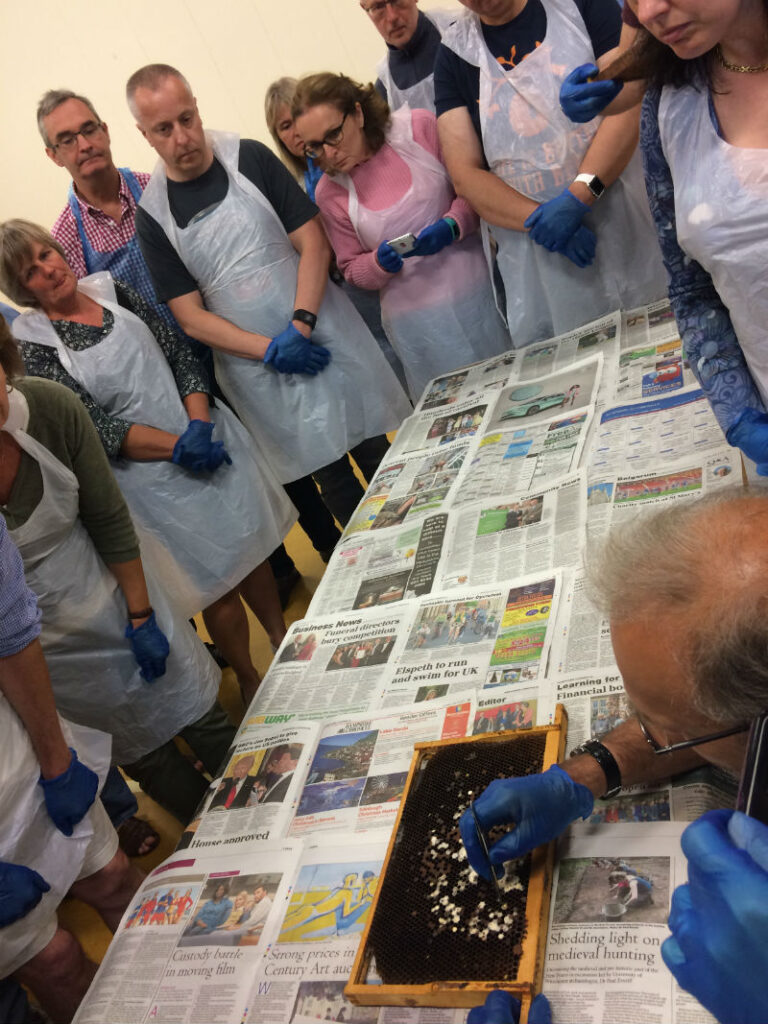
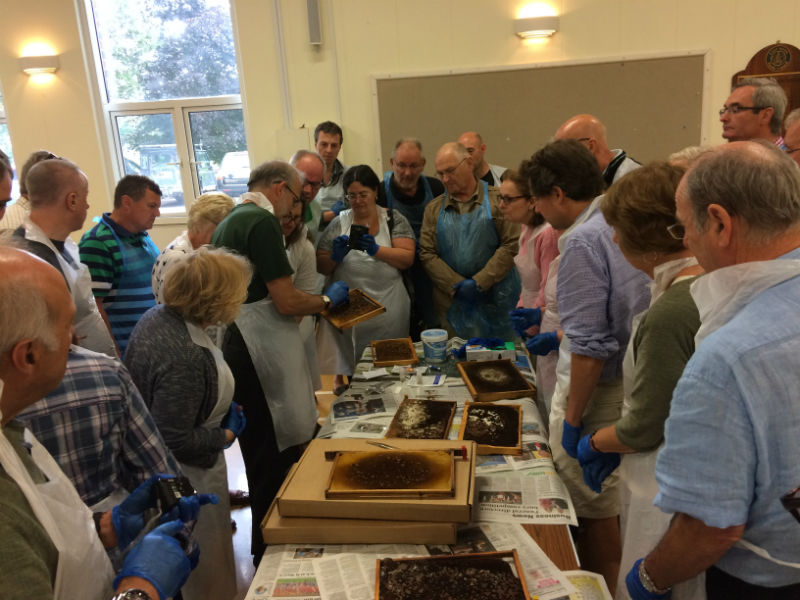
When conducting a hive inspection, always start by shaking the bees off one frame and taking a close look for any issues. A thorough inspection can help identify potential problems early and maintain the health of your colony.
-
Checking the Laying Pattern and Brood Health
- Laying Pattern: Inspect the laying pattern and ensure there are bees in all stages of development.
- Healthy Brood: Look for brood that is milky white and C-shaped. The stages to check include:
- 3 Days: Eggs
- 6 Days: Uncapped larvae
- 12 Days: Capped brood
- No Eggs Present? If no eggs are visible, check for drone cells.
- Drones in a Laying Pattern: This suggests there is likely a queen, but she may have run out of sperm.
- Random Drone Cells in Honey Supers: This indicates workers are laying drones, which can happen if the queen is absent, as the Queen’s pheromone suppresses the workers’ ovaries.
- Worker-Laying Scenario: If many workers are laying, the colony may think they are queen-right, and if you introduce a queen, they may kill her.
-
American Foulbrood (AFB) – After Capping
- Must Notify Bee Inspector: If AFB is suspected, you must notify the Bee Inspector immediately.
- AFB Indicators:
- Pepper Pot Brood Pattern
- Sunken, perforated, greasy cappings
- Sticky brown gunge that ropes when pulled
- Tough scale left behind in cells
- Unpleasant smell
- Precaution: A common source of AFB is supermarket honey. If AFB is found, the bees, honey, and equipment must be burnt.
-
European Foulbrood (EFB) – Before Capping
- Must Notify Bee Inspector: If EFB is suspected, notify the Bee Inspector immediately.
- EFB Indicators:
- Unsealed brood
- Larvae in unnatural positions (not C-shaped)
- Melted appearance of larvae
- Visible white gut sack through the body wall
- Loose scales easily removed from cells
- Nurse Bee Response: If the infection is minor, nurse bees may seal the infected cells. If there are more than 5 frames of bees, a laying queen, and 50% of the hive full of bees, a shook swarm might help with a 4% chance of recurrence. Otherwise, destroy the colony.
-
Small Hive Beetle
- Not in the UK Yet: The small hive beetle is not yet present in the UK.
- Identification: The beetle is 1/3rd the size of a bee, and its larvae are covered in spines. They consume everything in the hive, and an infestation smells like rotting oranges.
-
Varroa Mite
- The Single Biggest Problem: Varroa mites are the biggest issue for beekeepers. Varroa combined with another disease often leads to the colony dying out.
-
Other Diseases and Issues
- Sac Brood: Caused by a virus.
- Chalk Brood: Caused by a fungus.
- Starvation: Can resemble EFB as bees stop feeding larvae when they are starving.
Tools and Hygiene
-
Sterilisation and Tools:
- Washing Soda: Use washing soda to sterilise your equipment.
- Tweezers and LED Torch: These are essential for examining cells closely.
- Flash Camera (Phone): A flash camera can help pick up white bacteria in the gut of bees.
-
Strict Apiary Hygiene:
- Sterilise Supers: Sterilise your supers regularly.
- Number Supers Per Hive: Number each super per hive for easy identification.
- Clean Gear: Regularly clean your suit, gloves, equipment, and wellies to maintain hygiene and prevent the spread of disease.
By following these inspection guidelines and maintaining strict apiary hygiene, you can help ensure the health and productivity of your bee colonies. Regular inspections and prompt action, when diseases are suspected, are key to successful beekeeping.